
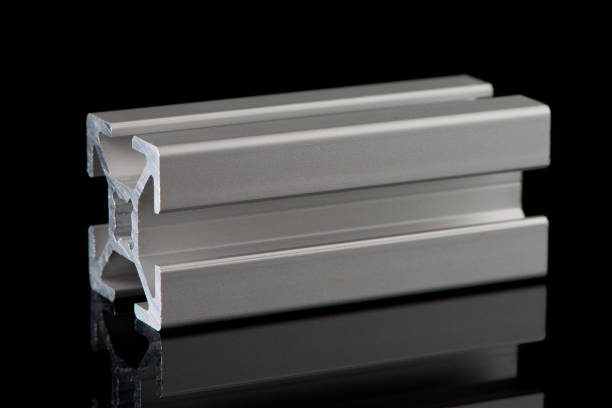

Building a clean enclosure starts long before the first fastener gets tightened. Proper planning helps the frame stay square, keeps panels from binding, and makes doors or access points easier to fit later. Careful assembly also protects the aluminum framing material from scratches, forced joints, and small alignment errors that can turn into bigger problems once the enclosure is complete.
Pre-load required internal roll-in nuts
Before the frame closes up, installers should identify every component that will need an internal mounting point. Roll-in nuts can often be added later, but certain locations become harder to reach after panels, cross members, or corner connections are in place. Missing hardware may force crews to loosen finished sections just to add a bracket, hinge, sensor, or cable support. Early preparation keeps the work moving and reduces unnecessary disassembly. Using MiniTec extruded aluminum framing, pre-loading the correct nuts also helps keep fasteners matched to the intended slot and thread size, which avoids last-minute substitutions that may not seat correctly.
Layout aluminum sections on flat surfaces
Spreading the profiles across a clean, level surface makes it easier to confirm lengths, orientation, and part labels before assembly begins. Each rail should be matched with the drawing so slots face the correct direction and machined ends land where connectors need them. Grouping related pieces by wall, door, or base section can save time once the build starts. Clean surfaces matter too because chips or debris under a profile can create false gaps while parts are being squared. For an aluminum framing kit with many similar pieces, a simple layout check can catch reversed rails, missing fasteners, or misplaced T slot extrusion sections before they become part of the structure.

Assemble the structural base first
Begin with the bottom rectangle because it sets the footprint for everything above it. Starting from a firm base gives installers a stable reference for vertical posts, door openings, and panel dimensions. Anchoring the corners only finger-tight at first leaves enough movement to correct the shape before final torque. Once the base is square, vertical members can rise from known positions instead of being adjusted independently. This sequence works especially well with MiniTec Aluminum Framing because the modular connections allow small shifts during setup. A stable base also prevents the upper enclosure from leaning or twisting as more T slot aluminum extrusion members are added.
Use machinist squares at corners
Machinist squares provide a quick way to see whether two profiles meet at a true 90-degree angle. Placing the square against both faces while the joint is still slightly loose lets the installer correct the corner before tightening it fully. Checking more than one corner matters because fixing one side can shift another if the base has not settled evenly. Small errors may seem harmless at first, yet they can show up later as uneven panel gaps, doors that rub, or top rails that refuse to line up. With an extruded aluminum T slot enclosure, repeated square checks help keep the frame geometry consistent from the first corner to the last.
Tighten fasteners using cross-pattern methods
Tightening one side completely before the opposite side can pull the frame out of alignment. Alternating between corners spreads clamping force more evenly and helps the enclosure hold its shape as joints lock into place. Uniform torque also prevents one connection from becoming much tighter than the rest, which can distort brackets or shift a profile slightly. Final tightening should happen in stages, with quick square checks between passes. Cross-pattern tightening is especially useful on larger frames where small movements travel across long members. Consistent fastening lets the aluminum framing material stay straight while the connectors do their job without forcing the assembly into position.
Slide solid panels into slots
Panels should enter the profile channels without being forced, bowed, or scraped along sharp edges. Sliding them into place before the last surrounding rail is closed usually gives installers more room to guide each sheet evenly. Allowing a small amount of clearance for thermal movement can also prevent binding, especially with plastic or composite panels that expand more than aluminum. Protective gaskets or panel retainers may reduce rattling and help center thinner sheets inside the slot. Inside a T slot extrusion enclosure, panel installation should feel controlled rather than tight. If a panel fights the frame, the better fix is to recheck squareness and slot alignment instead of pushing harder.
Verify corner-to-corner diagonal frame dimensions
Measuring diagonally from one corner to the opposite corner is one of the simplest ways to confirm that a rectangular enclosure is truly square. Matching diagonal dimensions show that the frame has not racked into a diamond shape, even if individual corners appear close to 90 degrees. Differences should be corrected while the fasteners can still be loosened and the structure can move slightly. MiniTec Solutions can help manufacturers simplify extruded aluminum T slot enclosure assembly with compatible profiles, fasteners, connectors, panel hardware, and modular accessories designed to work together. Their MiniTec Aluminum Framing systems make it easier to build square, secure enclosures while keeping future panel changes, added components, and layout updates straightforward.