
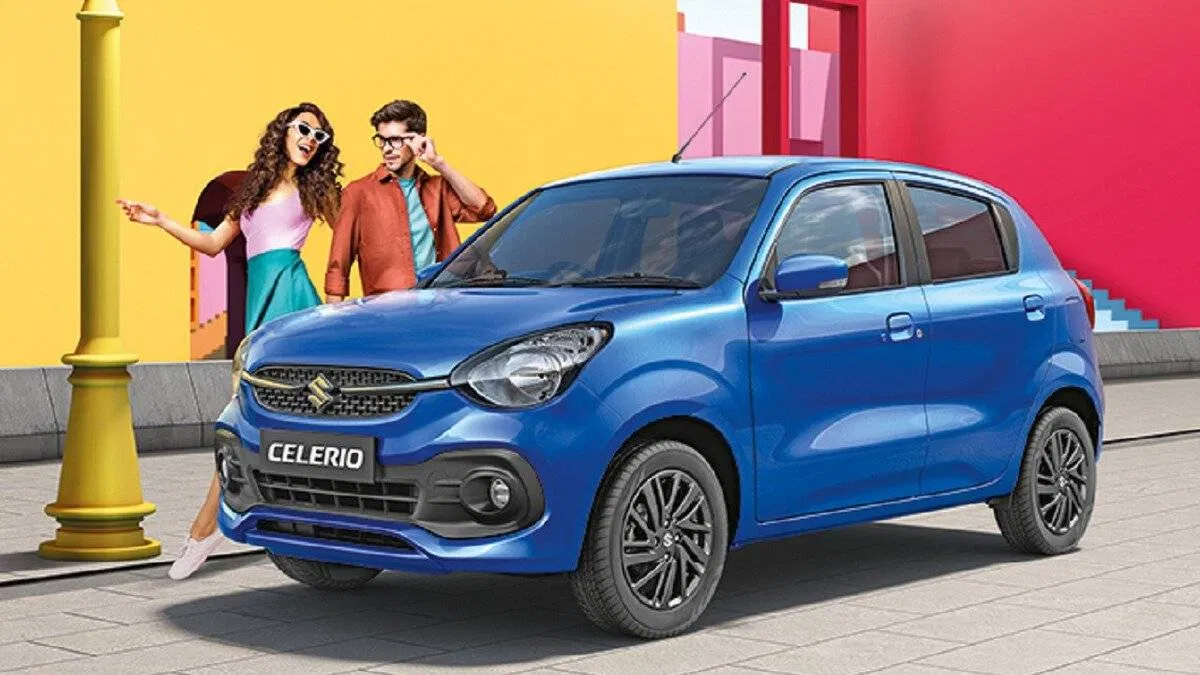

Fuel is expensive. Everyone knows this. Every time you go to the fuel station, price feels higher than last time. For people who drive every day, this becomes a real problem. Office travel, school drops, grocery runs, small trips, everything needs fuel. If your car uses too much fuel, monthly expense goes up without warning.
This is why fuel-efficient cars are important for everyday driving. Not everyone wants a big car or powerful engine. Most people just want a car that runs daily without hurting the pocket too much. Simple need, nothing fancy.
Fuel-efficient cars are not about showing off. They are about saving money slowly, month by month.
What Fuel Efficiency Really Means in Daily Life
Fuel efficiency usually means mileage. How much distance your car can cover using one litre of fuel. Higher mileage, less fuel cost. That sounds simple.
But real life is not that simple. Traffic, road condition, weather, driving style, all affect mileage. A car that shows good mileage in advertisement may not give same result in real traffic.
So fuel efficiency should be judged based on daily use, not just company numbers.
Why Everyday Drivers Care More About Mileage
People who drive once in a while don’t feel fuel cost pressure much. But daily drivers feel it every week.
Small difference in mileage matters a lot when driving daily. Even 2 or 3 extra kilometres per litre saves good money in long term.
That is why fuel-efficient cars are preferred for office commute, family use, and regular city driving.
Small Cars Usually Save More Fuel
Small cars are lighter. Lighter cars need less fuel to move. That is basic logic.
Hatchbacks and small sedans usually give better mileage than big cars. Engine size is smaller, fuel consumption is lower.
For everyday driving, small cars make more sense for many people. Easy to drive, easy to park, easy to maintain.
Petrol Cars for Daily City Driving
Petrol cars are common. They are quieter and smoother than diesel cars. Maintenance is also slightly cheaper.
In city traffic, petrol cars perform well. Stop-go traffic suits petrol engines more than diesel sometimes.
Mileage is decent, not highest, but acceptable for daily driving.
Diesel Cars and Fuel Savings
Diesel cars usually give better mileage, especially on highways. If you travel long distance daily, diesel can save fuel.
But diesel cars cost more initially. Maintenance can be higher also. Engine is heavier.
For short city trips, diesel may not always be best choice.
Hybrid Cars and Their Growing Popularity
Hybrid cars use petrol engine and electric motor together. In traffic, electric motor works more.
This saves fuel a lot in city driving. Mileage improves, sometimes very much.
Hybrid cars are smooth and quiet. But they are expensive to buy. Battery replacement cost worries some buyers.
Still, for daily city driving, hybrid cars are becoming popular slowly.
SUVs and Fuel Efficiency (Not Always Bad)
Big SUVs are not fuel efficient usually. Everyone knows that.
But compact SUVs are different. Smaller engine, better technology, lighter body.
They give decent mileage now. Not as good as hatchbacks, but acceptable for many buyers.
People choose compact SUVs for comfort and road presence, while still managing fuel cost.
Driving Style Changes Everything
You can buy the most fuel-efficient car, but if you drive badly, mileage will drop.
Fast acceleration, sudden braking, speeding, all waste fuel.
Smooth driving saves fuel. Maintaining steady speed helps.
Driver behaviour matters as much as car choice.
Automatic Cars and Mileage Myths
Earlier, automatic cars were known for low mileage. But things changed.
Modern automatic gearboxes are better. In traffic, they sometimes save fuel compared to manual.
For daily city driving, automatic cars reduce stress and give reasonable mileage.
Automatic is no longer bad choice for fuel efficiency.
Maintenance Is Often Ignored
Many people ignore car maintenance to save money. This is mistake.
Dirty air filter, old oil, low tyre pressure — all reduce mileage.
Regular service keeps engine healthy and fuel efficiency stable.
Skipping service costs more fuel later.
Budget Cars Can Be Fuel Efficient Too
You don’t need expensive car to save fuel.
Many budget cars offer good mileage. Simple engines, light body, less electronics.
They may not look premium, but for daily driving they work well.
Affordable and fuel efficient is possible.
Fuel Efficiency and Pollution
Fuel-efficient cars burn less fuel. Less fuel means less pollution.
They are better for environment compared to heavy fuel-consuming vehicles.
Electric cars are best, but fuel-efficient petrol and hybrid cars still help.
Small savings by many people create big impact.
City Driving vs Highway Driving
Mileage changes based on where you drive.
City driving has traffic and stops. Hybrid and petrol cars do better here.
Highway driving is steady. Diesel cars and sedans perform better.
Your daily route should decide your car choice.
Technology Helping Save Fuel
New cars have better engines. Start-stop system saves fuel at signals.
Lightweight materials reduce fuel use.
Technology improves mileage slowly, not suddenly, but improvement is there.
Some features feel annoying, but they save fuel.
Fuel Efficiency Is Important, But Not Everything
Mileage matters, yes. But safety, comfort, reliability also matter.
A car that saves fuel but breaks down often is not good.
Balance is needed.
Long-Term Cost Matters More Than Price
Some fuel-efficient cars cost more initially.
But fuel savings over years can cover that cost.
Always think long term.
Cheap car with poor mileage may cost more later.
Used Cars and Mileage Reality
Used cars can be fuel efficient if maintained properly.
But many used cars give poor mileage because of wear and tear.
Check service history carefully.
Don’t trust mileage claims blindly.
Rules and Regulations Push Efficiency
Government emission rules force car makers to improve efficiency.
Newer cars are generally more fuel efficient than old models.
This is why people upgrade cars.
Everyday Driving Needs Simple Cars
Daily driving needs simple and reliable cars.
Good mileage, easy handling, low maintenance.
Fuel-efficient cars usually tick these boxes.
Luxury matters less in daily routine.
Future of Fuel-Efficient Cars
Electric cars are future, but transition is slow.
Fuel-efficient petrol and hybrid cars will stay for many years.
Infrastructure, cost, charging issues still exist.
For now, fuel-efficient cars remain practical choice.
Final Thoughts
Fuel-efficient cars make daily life easier. They save money, reduce stress, and suit everyday needs.
They are not exciting maybe, but they are sensible.
Choosing the right fuel-efficient car depends on your driving habit, budget, and usage.
Mileage is not everything, but it matters a lot when driving daily.
A fuel-efficient car becomes a silent helper in daily routine.
Disclaimer
This article is written only for general information purposes. Fuel efficiency, mileage, maintenance cost, and performance can change based on driving style, road conditions, vehicle condition, fuel quality, and other factors. This content should not be considered professional automotive, financial, or purchase advice. Readers should verify details independently and consult authorised dealers or professionals before making any vehicle-related decision.